
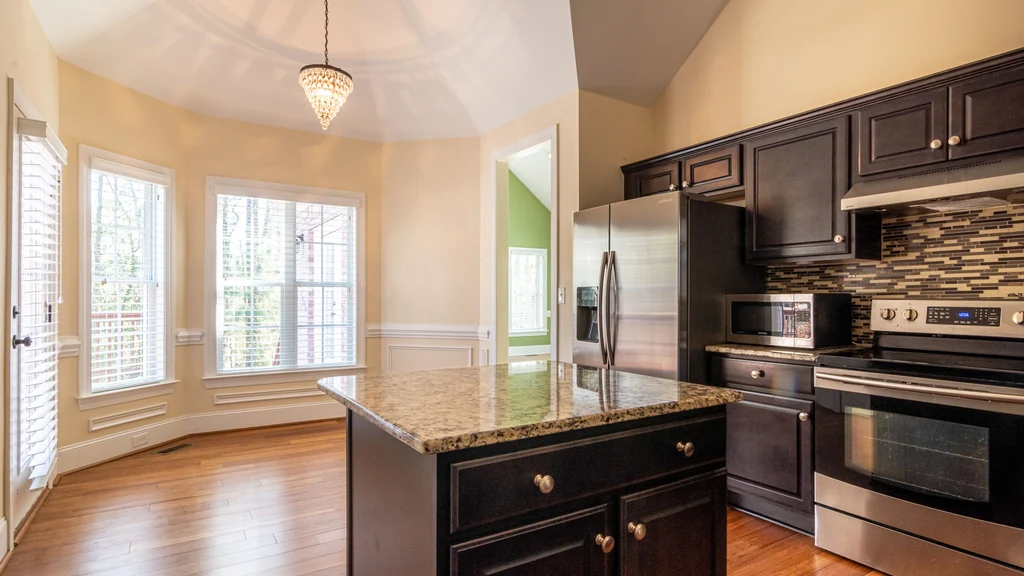
If you're searching for countertops in San Diego, you're facing a lot more choices than most homeowners expect: quartz, granite, marble, quartzite, porcelain slab, butcher block, and laminate all have real fans in this city, and each one behaves differently in our coastal climate, hard water, and near-constant sunshine. This guide walks through the materials, the real costs, and the local factors that should shape your decision before you sign a contract with a fabricator.
Whether you're remodeling a kitchen in North Park, updating a bathroom vanity in Carlsbad, or building an outdoor kitchen in Rancho Santa Fe, the right countertop material depends on how you cook, how much maintenance you're willing to do, and your budget per square foot. Let's break it down.
Countertops San Diego Homeowners Actually Choose
The two materials that dominate San Diego kitchen remodels are quartz and granite, and for good reason. Quartz is engineered stone, resin-bound and non-porous, which means it never needs sealing and delivers the most consistent pattern and color from slab to slab. Granite is natural stone with a Mohs hardness of 6-7, naturally heat resistant, and every slab has unique veining that no two kitchens will match exactly.
Key fact: Quartz (engineered stone) is resin-bound and non-porous with a Mohs hardness around 7, meaning it never needs sealing, while granite is porous natural stone that typically needs resealing roughly every 1-2 years.
Marble still shows up in higher-end San Diego bathrooms and statement kitchen islands for its classic veining, but it's a soft stone (Mohs 3-4) that etches from acidic foods like lemon, vinegar, and wine, even when properly sealed. It's a beautiful choice for a powder room vanity, less forgiving for a family's everyday kitchen island.
Quartzite: The Material People Confuse With Quartz
One of the most common mistakes we see local buyers make is assuming quartzite and quartz are the same thing because the names sound alike. They are not. Quartzite is a natural stone, very hard (Mohs 7) and heat resistant, but it IS porous and DOES require sealing, just like granite. Quartz, by contrast, is engineered and never needs sealing. If a showroom or fabricator uses these terms interchangeably, ask them to clarify which one you're actually buying, because the maintenance requirements are completely different.
Material Options Beyond the Big Three
San Diego's remodeling market has expanded well beyond granite and quartz in the last few years. Homeowners looking for something different now have several solid options:
- Soapstone is naturally non-porous and very heat resistant, though it's softer and more prone to scratching. It darkens attractively over time with periodic mineral oil treatment, popular in farmhouse-style kitchens.
- Butcher block / wood countertops need regular food-safe oiling and aren't heat resistant, but they can be sanded and refinished when scratched or stained, a real advantage for a kitchen island that takes daily abuse.
- Laminate is the most budget-friendly option by far, though it isn't heat or scratch resistant and can't be repaired once damaged. It's a practical choice for rental properties or a quick flip.
- Porcelain slab is a newer category that's extremely hard, UV resistant, and heat resistant, and it's thin, typically 12-13mm. It has become a strong choice for San Diego's growing outdoor kitchen trend.
For homeowners still deciding between materials, our complete quartz countertops buyer's guide goes deeper into quartz-specific pros, cons, and pricing if that's the direction you're leaning.
What Countertops Cost in San Diego
Pricing is where most homeowners get surprised, because "countertops" covers a massive cost range depending on material, edge profile, and fabrication complexity. As a general guide for installed cost (materials, fabrication, and install combined):
- Laminate: $20-$50 per square foot
- Granite: $40-$100 per square foot
- Quartz: $50-$120 per square foot
- Marble: $60-$150 per square foot
- Quartzite: $70-$150 per square foot
- Porcelain slab: $60-$120 per square foot
Pro tip: Get your fabricator to quote installed cost per square foot, not just slab cost. Edge profile, seam placement, and cutouts for sinks or cooktops can shift your total significantly, and a quote that only covers the raw slab will undersell the real project cost.
If you want a full breakdown of material-by-material budgeting for a typical San Diego kitchen, our kitchen countertops material and cost guide covers that in more detail.
Fabrication, Templating, and Installation Timelines
Templating, the process of measuring your exact cabinet layout for cutting, happens after cabinets are installed, using either a laser or digital template system. Once that's done, typical fabrication-to-install turnaround runs 1-3 weeks, so plan your remodel timeline accordingly if you're coordinating with a kitchen installer or contractor.
Slab Thickness and Support
Standard slab thickness comes in two main options: 2cm (3/4 inch), which requires a plywood substrate and edge buildup, and 3cm (1 1/4 inch), which is self-supporting and the most common choice for US residential kitchens. If you're planning an island with a large overhang for bar seating, know that overhangs beyond roughly 10-12 inches unsupported typically need corbels or steel support brackets, though the exact limit depends on the material and your fabricator's engineering specs.
Edge Profiles and Seams
Edge profile choice is a bigger design decision than most people expect. Eased, bullnose, ogee, and mitered waterfall edges (where the slab wraps down to the floor) are the most requested styles in San Diego right now, with waterfall edges especially popular in modern kitchen remodels. It's also worth knowing upfront that seams are generally unavoidable on larger kitchen islands or long runs, since most slabs top out around 9-10 feet in length. Seam placement is a real design decision your fabricator should walk you through, not just a fabrication afterthought.
Outdoor Kitchens, San Diego's Climate, and Maintenance by Material
San Diego's outdoor living culture means a lot of local homeowners are asking about countertops for patio kitchens and BBQ islands, and this is one area where material choice really matters because of our year-round sun exposure.
Key fact: For San Diego outdoor kitchens, quartz's resin binder can UV-fade or discolor outdoors over time, making granite, quartzite, and porcelain slab the more climate-appropriate choices for exterior installations here.
It's also worth clearing up a common marketing myth: quartz is NOT fully heatproof despite how it's often advertised. The resin binder can discolor or crack under direct hot cookware, so trivets are still recommended even on a quartz counter, indoors or out.
How much upkeep a countertop needs should factor heavily into your decision, especially for a busy household kitchen:
- Quartz: no sealing ever, wipe clean, most consistent low-maintenance option.
- Granite: reseal roughly every 1-2 years to maintain stain resistance.
- Marble: needs more frequent resealing than granite and is vulnerable to etching from acidic foods even when sealed.
- Quartzite: despite its hardness, it is porous and requires sealing just like granite.
- Soapstone: no sealing needed, but periodic mineral oil applications keep it looking its best.
- Butcher block: regular food-safe oiling required, though it can be resurfaced if damaged.
Design, Resale Value, and Choosing a Fabricator in San Diego
A countertop rarely gets chosen in isolation. Cabinet color, flooring, and backsplash all influence which slab will actually look right once installed, and San Diego's popular coastal and modern farmhouse kitchen styles tend to favor lighter quartz and granite tones with subtle veining rather than heavily patterned or dark stone that can make a smaller kitchen feel closed in. If you're working with an open-concept layout, which is common in newer San Diego builds and many mid-century remodels in neighborhoods like Clairemont, consider how the countertop reads from the living or dining area, not just from directly above it, since it will be visible from multiple angles throughout the day.
Cabinet installers and countertop fabricators need to coordinate closely on timing. Cabinets must be fully installed and leveled before templating can happen, and if your cabinet installer runs behind schedule, it pushes your entire countertop timeline back by the same amount. Build a buffer into your renovation schedule rather than assuming templating, fabrication, and install will happen back-to-back without any slippage.
San Diego's real estate market rewards kitchen and bathroom updates more than almost any other renovation, and countertops are one of the first things buyers and their agents notice on a walkthrough. Quartz and granite consistently appraise well because most buyers recognize them and understand their durability, which makes them a safer bet if you're renovating with resale in mind rather than staying in the home for decades. Marble photographs beautifully for listing photos, but some buyers factor in the maintenance commitment and etching risk when making an offer, so it's worth discussing with your realtor if you're weighing marble against a more forgiving material before a sale.
If you're renovating a rental property or an investment flip in neighborhoods like City Heights or Chula Vista, laminate or a mid-range granite often makes more financial sense than a $100+ per square foot quartzite, since the goal is durability and visual appeal at the lowest reasonable cost rather than a forever-home showpiece.
After walking through dozens of local kitchen and bathroom projects, a few mistakes come up again and again. The first is picking a slab under fluorescent showroom lighting and being surprised when it looks completely different under San Diego's natural coastal light at home; always ask to bring a sample home or view it near a window before committing. The second is underestimating overhang support needs for a kitchen island meant for bar seating, only to find out mid-fabrication that steel brackets are required, adding unexpected cost. The third is assuming all "quartz" and "granite" products are interchangeable in price and quality, when in reality both categories span an enormous range from budget-tier to premium designer lines, and getting an apples-to-apples comparison between fabricators requires asking exactly which product line and slab grade is being quoted.
Pro tip: Always view your actual slab in the location it will be installed, or at minimum under similar lighting, before signing off. Showroom lighting and home lighting can make the same stone look like two completely different materials.
Finally, don't skip asking about warranty coverage. Reputable San Diego fabricators typically back their installation work and will stand behind material defects, but coverage terms vary widely between companies, so get it in writing before the job starts, not after a problem shows up.
Once you've settled on a material, the fabricator you choose matters just as much as the stone itself. Ask to see their templating process, confirm whether they handle their own installation or subcontract it, and get a clear timeline in writing, remembering that 1-3 weeks from template to install is typical. Request to see edge profile samples in person rather than from a catalog photo, since lighting and lip depth look different on your actual slab. And always confirm in writing who is responsible for seam placement decisions on larger runs, since this affects both the visual result and long-term durability.
Bottom Line on Countertops in San Diego
There's no single "best" countertop for San Diego, the right choice depends on your budget, how the space will be used, and whether it's an indoor kitchen or an outdoor installation exposed to our sun year-round. Quartz remains the low-maintenance favorite for indoor kitchens, granite and quartzite hold up best outdoors, and marble still earns its place in bathrooms and statement islands where its veining can shine without daily acid exposure. Whatever material you choose, get quotes that include full installed cost per square foot, ask hard questions about sealing requirements, and give your fabricator the 1-3 week lead time they need to template and install the job right the first time.